Heroes Timeline
Explore the lives of Christian heroes across history, from the biblical era to modern times
Biblical Era
~4 BC - 100 AD
6 heroes

Joachim and Anne
Joachim and Anne, though not mentioned in the canonical scriptures, are revered in Christian tradition as the parents of the Virgin Mary and thus the maternal grandparents of Jesus Christ. Their story, primarily found in apocryphal texts like the Protoevangelium of James, highlights their piety, enduring faith, and the miraculous birth of their daughter after years of barrenness. They are celebrated as models of patience and trust in God's divine plan.

John the Baptist
John the Baptist was a prophetic figure and the divinely appointed forerunner of Jesus Christ, whose mission was to prepare the way for the Messiah through a message of repentance and baptism. He preached in the wilderness of Judea, calling people to turn from their sins and undergo a baptism of repentance for the forgiveness of sins. His ministry culminated in baptizing Jesus, recognizing Him as the Lamb of God who takes away the sin of the world.

Joseph
Joseph, the husband of Mary and foster father of Jesus, is revered for his quiet obedience and faithful service. A descendant of King David, he played a crucial role in protecting and raising the Son of God, embodying humility and steadfastness.

Mary, Mother of Jesus
Mary, the Mother of Jesus, is revered for her pivotal role in salvation history, most notably for her courageous 'fiat' or 'yes' to God's will at the Annunciation. She conceived Jesus by the Holy Spirit, becoming the Theotokos, the God-bearer, and faithfully nurtured Him from infancy through His public ministry and crucifixion. Her life exemplifies profound obedience, humility, and unwavering faith in the divine plan.

Paul the Apostle
Paul the Apostle, originally Saul of Tarsus, underwent a radical conversion from a zealous persecutor of early Christians to one of the most influential figures in Christian history. He became the "Apostle to the Gentiles," tirelessly spreading the Gospel across the Roman Empire and establishing numerous churches. His theological insights, articulated primarily through his epistles, profoundly shaped Christian doctrine and practice.

Peter the Apostle
Simon Peter, a Galilean fisherman, was called by Jesus to be an apostle and became a foundational leader in the early Christian Church. Despite moments of doubt and denial, he was instrumental in spreading the Gospel after Pentecost, earning the title 'the Rock' upon whom Christ would build His Church. His life exemplifies profound faith, human frailty, and ultimate devotion.
Early Church
100 - 500 AD
12 heroes
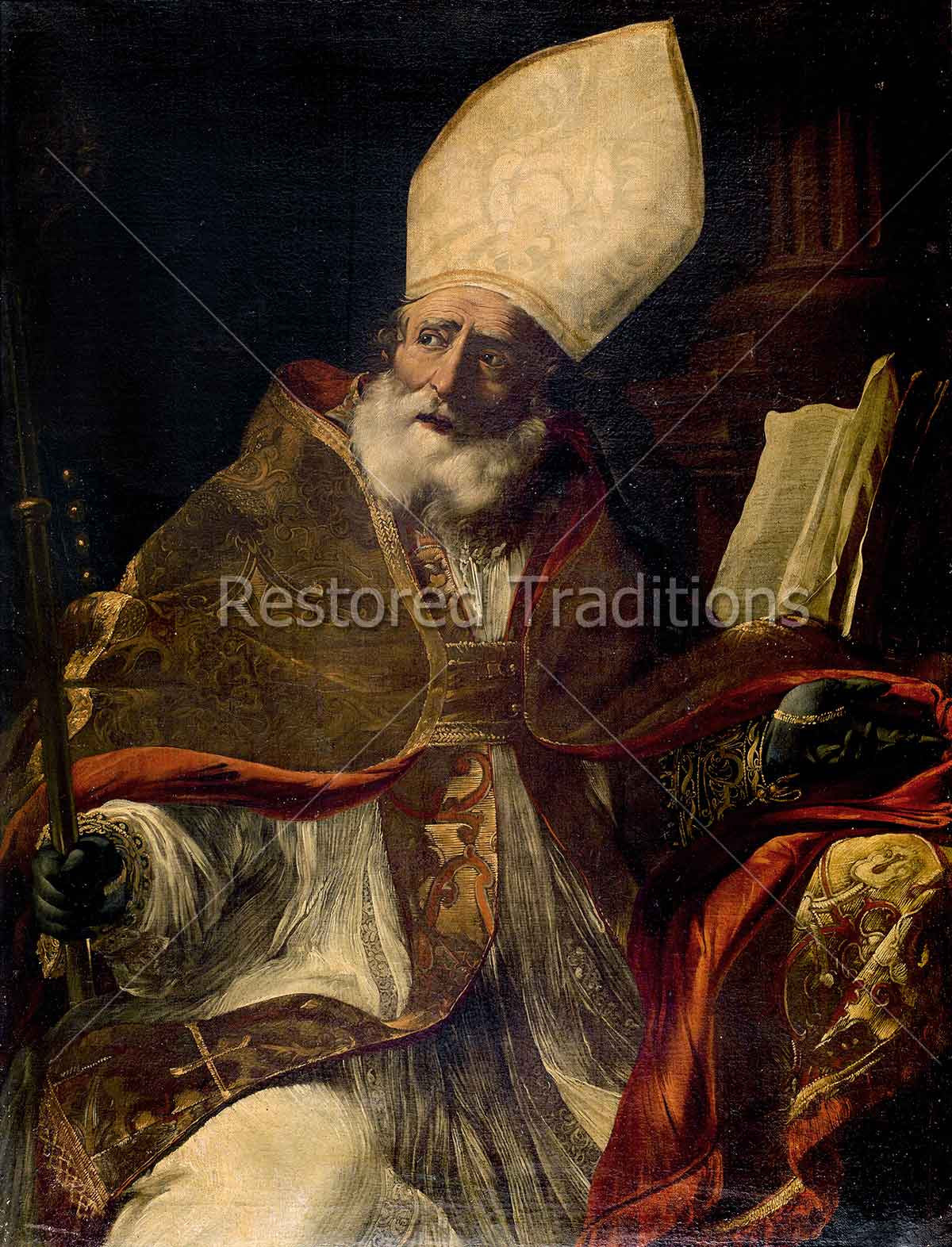
Ambrose of Milan
Ambrose of Milan (c. 340–397 AD) was a Roman governor who was unexpectedly elected Bishop of Milan while still a catechumen. He became one of the most influential bishops of his era, known for his powerful preaching and fearless defense of the Church's independence.

Athanasius of Alexandria
Egyptian bishop and theologian who defended Nicene orthodoxy against Arianism, earning the title "Athanasius Contra Mundum" (Athanasius Against the World).
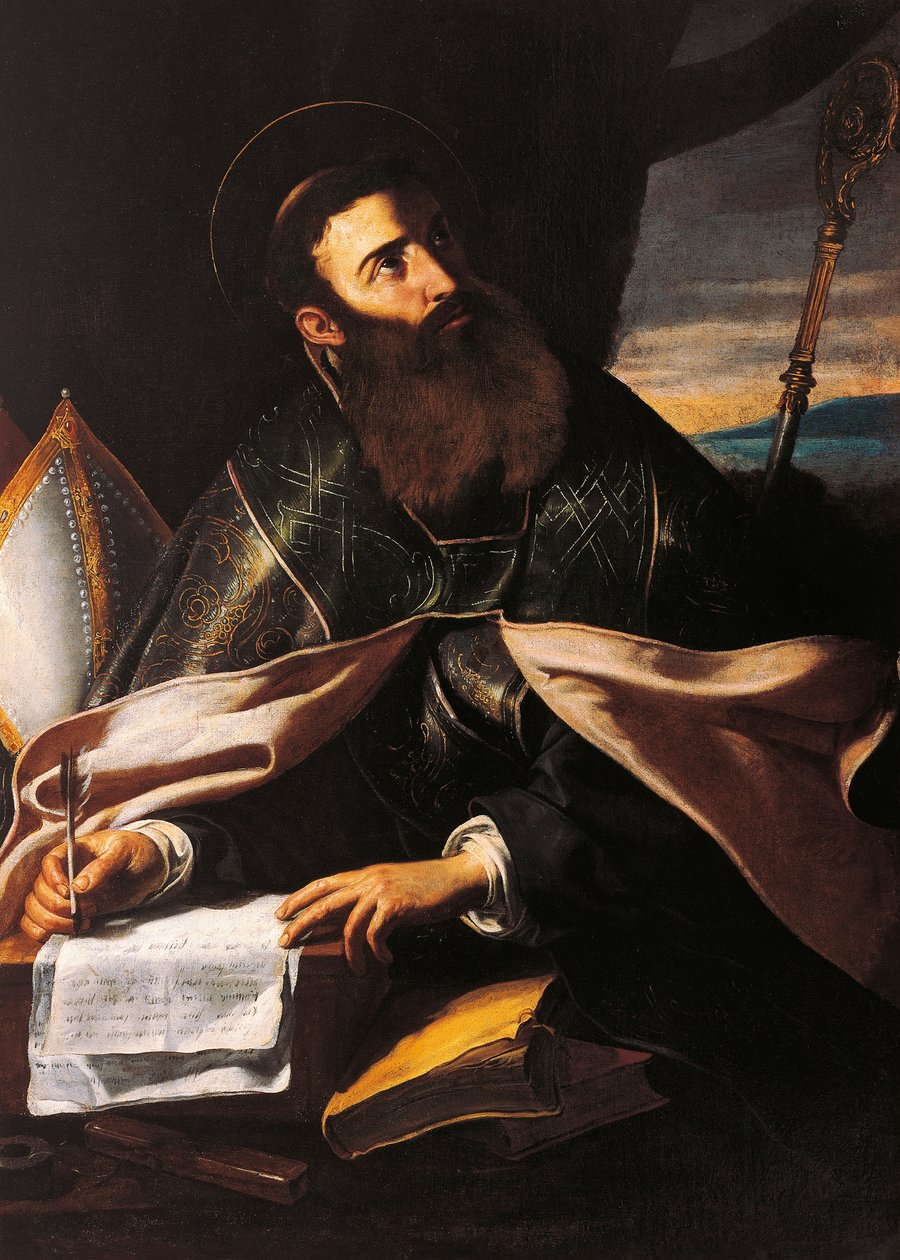
Augustine of Hippo
Augustine of Hippo was a pivotal theologian and philosopher in the early Christian Church, whose writings profoundly influenced Western Christianity and philosophy. His intellectual journey from Manichaeism and Neoplatonism to orthodox Christianity is chronicled in his seminal work, 'Confessions'. He is considered one of the most important Church Fathers.
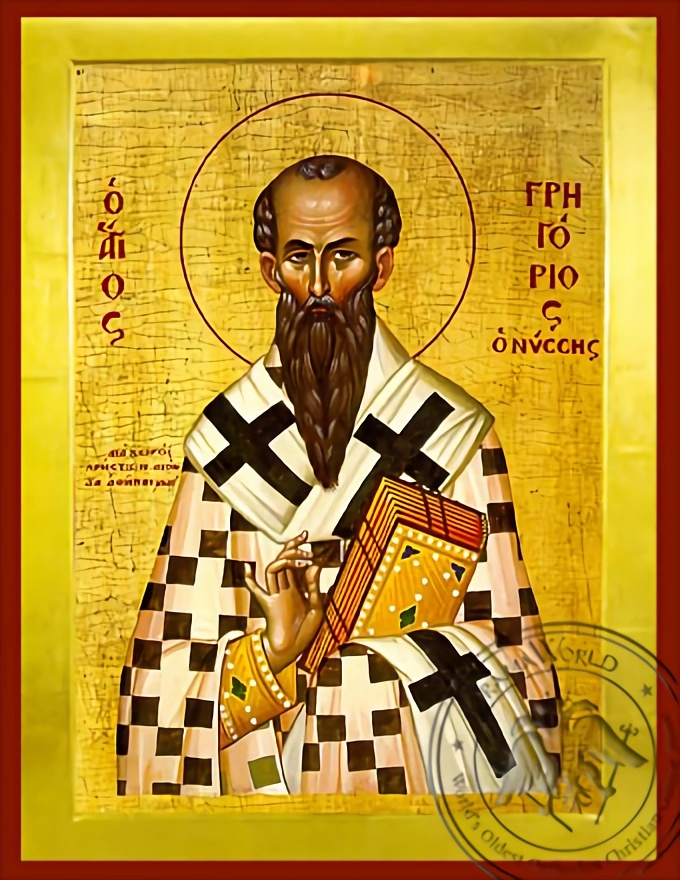
Gregory of Nyssa
Gregory of Nyssa (c. 335–395 AD) was one of the three Cappadocian Fathers who defended Nicene orthodoxy against Arianism. His mystical theology emphasized the infinite nature of God and the soul's endless journey toward divine union.

Jerome
Jerome, born Eusebius Sophronius Hieronymus, was a prominent 4th-5th century Christian scholar, theologian, and historian, best known for his monumental work in translating the Bible into Latin, a version that became known as the Vulgate. This translation was the standard Latin Bible for over a millennium and profoundly influenced Western Christianity. He dedicated his life to asceticism, scholarship, and the defense of orthodox Christian doctrine.
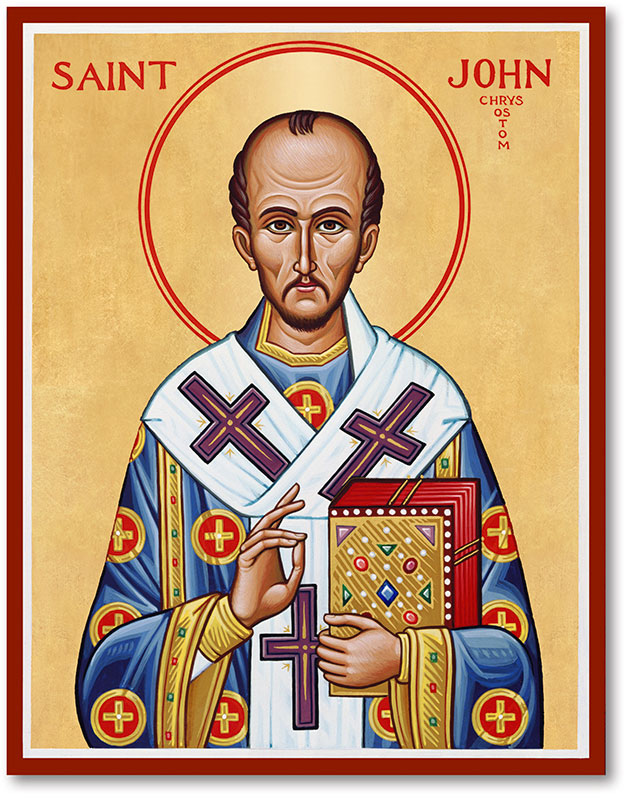
John Chrysostom
John Chrysostom (c. 347–407 AD), whose name means "golden-mouthed," was one of the most eloquent preachers and theologians of the early Christian Church. As Archbishop of Constantinople, he fearlessly defended the poor and criticized corruption.

Monica of Hippo
Saint Monica of Hippo is revered as a model of Christian motherhood, best known for her persistent and tearful prayers over two decades for the conversion of her wayward son, Augustine. Her unwavering faith and steadfast devotion ultimately led to Augustine's profound spiritual transformation and his eventual rise as one of Christianity's most influential theologians.
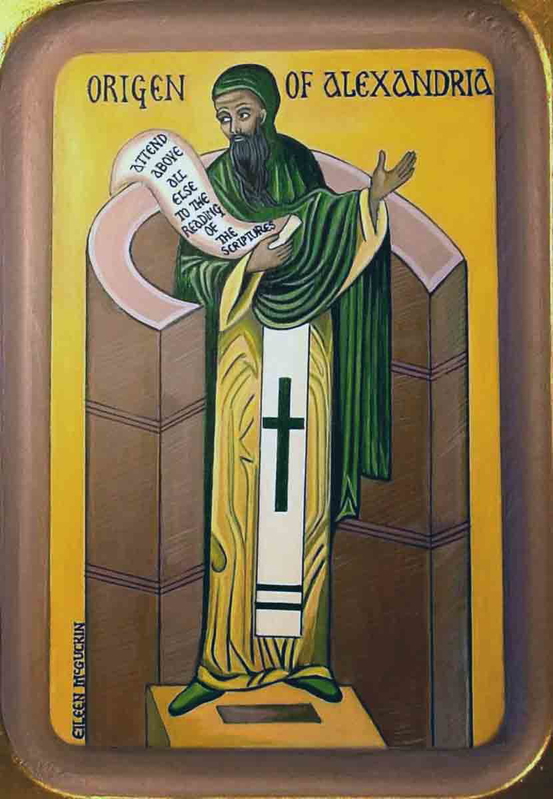
Origen
Origen of Alexandria (c. 184–253 AD) was one of the most prolific and influential early Christian scholars and theologians. His allegorical interpretation of Scripture and systematic theology profoundly shaped Christian thought.
Perpetua and Felicity
Perpetua and Felicity were early Christian martyrs who suffered during the Severan persecution in Carthage, North Africa, in the early 3rd century. Their unwavering faith in the face of brutal persecution made them enduring symbols of Christian courage and devotion. Their story, partly told in Perpetua's own words, is one of the most vivid and authentic accounts of early Christian martyrdom.

Polycarp of Smyrna
Early Christian bishop and martyr who was a disciple of the Apostle John, bridging the apostolic age with the early church fathers.
Saint Febronia of Nisibis
Saint Febronia was an early Christian virgin martyr from Nisibis, Mesopotamia, who suffered during the Diocletianic Persecution in the early 4th century. Renowned for her beauty, piety, and ascetic life, she steadfastly refused to renounce her faith despite brutal torture, becoming a symbol of unwavering devotion.
Tertullian
Tertullian (c. 155–220 AD) was a prolific early Christian author from Carthage, often called the "father of Latin theology." He was the first major Christian author to write extensively in Latin, coining many theological terms still used today.
Medieval
500 - 1500 AD
8 heroes
Catherine of Siena
Catherine of Siena was a prominent mystic, philosopher, and theologian of the late Middle Ages, known for her profound spiritual experiences and influential role in Church politics. She was instrumental in persuading Pope Gregory XI to return the papacy to Rome from Avignon and is recognized as a Doctor of the Church.

Francis of Assisi
Italian friar and mystic who founded the Franciscan Order, embraced radical poverty, and is known for his love of nature and the poor.
Hildegard of Bingen
Hildegard of Bingen was a German Benedictine abbess, writer, composer, philosopher, mystic, and visionary. Recognized as a Doctor of the Church, she is one of the most influential figures of the Middle Ages, known for her theological, scientific, and musical contributions.
Julian of Norwich
Julian of Norwich was an English anchoress and mystic, known for her profound theological work, "Revelations of Divine Love." She is the first woman known to have written a book in the English language and offered a deeply optimistic vision of God's unconditional love and mercy, even amidst suffering.
Meister Eckhart
Meister Eckhart was a German theologian, philosopher, and mystic, known for his profound and often controversial teachings on God, the soul, and the path to spiritual union. A Dominican friar, his work blended scholastic philosophy with Neoplatonic and mystical traditions, influencing subsequent generations of Christian mystics.

Rita of Cascia
Saint Rita of Cascia, often called the 'saint of the impossible,' was an Italian Augustinian nun who lived in the 14th and 15th centuries. Her life was marked by profound suffering and loss, yet she consistently responded with unwavering faith, prayer, and forgiveness, becoming a powerful intercessor for those in desperate situations. She is revered for her extraordinary patience, humility, and devotion, particularly in the face of domestic violence, the murder of her husband, and the death of her children.
Thomas à Kempis
Thomas à Kempis was a German-Dutch Augustinian canon and author, best known for his spiritual classic, "The Imitation of Christ." He was a prominent figure in the Devotio Moderna movement, emphasizing inner piety and personal devotion to Christ.

Thomas Aquinas
Italian Dominican friar and philosopher-theologian who synthesized Aristotelian philosophy with Christian theology, producing the monumental Summa Theologica.
Reformation
1500 - 1700 AD
6 heroes
George Ide Butler
George Ide Butler was a prominent leader in the Seventh-day Adventist Church, serving as its second General Conference president during a critical period of organizational growth and theological development. He was instrumental in shaping the church's structure and defending its doctrines, particularly during controversies regarding the nature of Christ and church authority.

Ignatius of Loyola
Spanish priest and theologian who founded the Society of Jesus (Jesuits) and wrote the Spiritual Exercises, a guide to discernment and spiritual formation.

John Calvin
French theologian and reformer who systematized Protestant theology in his Institutes of the Christian Religion and established Geneva as a center of Reformed Christianity.
John of the Cross
John of the Cross (born Juan de Yepes y Álvarez) was a Spanish Catholic priest, mystic, and Carmelite friar of the Discalced Carmelites. He was a major figure of the Counter-Reformation in Spain and is considered, along with Teresa of Ávila, a founder of the Discalced Carmelites. He is renowned for his writings on the spiritual journey, particularly the concept of the 'dark night of the soul'.

Martin Luther
German theologian and reformer who initiated the Protestant Reformation with his Ninety-five Theses, challenging the Catholic Church's practices and emphasizing salvation by faith alone.

Teresa of Ávila
Spanish Carmelite nun, mystic, and reformer who wrote extensively on prayer and the interior life, becoming a Doctor of the Church.
Modern Era
1700 - Present
32 heroes
Arthur Tappan Jones
Arthur Tappan Jones was a prominent Seventh-day Adventist minister, editor, and author, best known for his powerful preaching on righteousness by faith and his advocacy for religious liberty in the late 19th and early 20th centuries. Alongside E.J. Waggoner, he played a pivotal role in shaping Adventist theology and its stance on church-state separation.

Bernadette of Lourdes
Saint Bernadette Soubirous was a young, impoverished French peasant girl who, between February and July 1858, experienced 18 apparitions of the Virgin Mary in a grotto near Lourdes. During these visions, she was instructed to dig, leading to the discovery of a miraculous healing spring, transforming Lourdes into a major pilgrimage site.
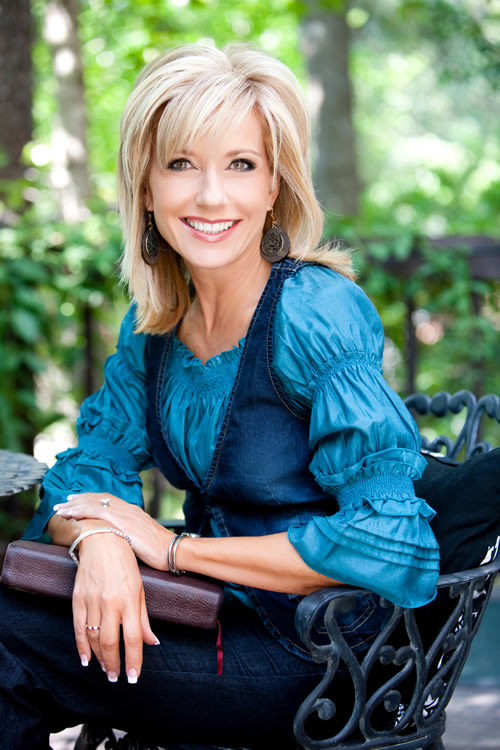
Beth Moore
Beth Moore (born 1957) is an American Bible teacher, author, and founder of Living Proof Ministries. For over 30 years, she has taught Scripture to millions of women through Bible studies, conferences, and books.

C.S. Lewis
British writer, scholar, and Christian apologist known for "Mere Christianity," "The Chronicles of Narnia," and his defense of the Christian faith through reason and imagination.
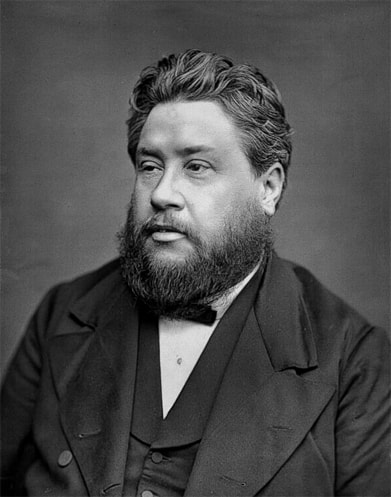
Charles Spurgeon
Charles Haddon Spurgeon (1834–1892) was a British Particular Baptist preacher known as the "Prince of Preachers." At age 19, he became pastor of London's New Park Street Chapel, which grew into the Metropolitan Tabernacle with over 5,000 members.

Corrie ten Boom
Dutch Christian who, along with her family, helped many Jews escape the Holocaust during World War II and survived imprisonment in Nazi concentration camps.

Dietrich Bonhoeffer
German Lutheran pastor and theologian who resisted the Nazi regime and was executed for his involvement in a plot to assassinate Hitler.
Ellen G. White
Ellen G. White was a prolific American author, prophetess, and a co-founder of the Seventh-day Adventist Church. She is considered by Adventists to have received divine inspiration, and her extensive writings continue to shape the theology and lifestyle of the denomination. Her work encompasses theology, health, education, and family life, making her one of the most translated female authors in history.
Ellet Joseph Waggoner
Ellet Joseph Waggoner (1855-1916) was a prominent Seventh-day Adventist minister, editor, and physician, best known for his influential teachings on righteousness by faith at the 1888 Minneapolis General Conference session. Alongside A.T. Jones, he advocated for a deeper understanding of Christ's atoning work and the gospel message within the Adventist church. His theological contributions sparked significant discussion and controversy but ultimately helped shape Adventist theology.

Father Bill Atkinson
Father Bill Atkinson was a remarkable Catholic priest, known as the first quadriplegic priest ordained in the Latin Rite, whose life exemplified profound faith and perseverance. Despite a devastating accident that left him paralyzed from the neck down, he pursued his vocation with unwavering determination, redefining the scope of priestly ministry. His life served as an inspiring testament to the power of God's grace working through human vulnerability.
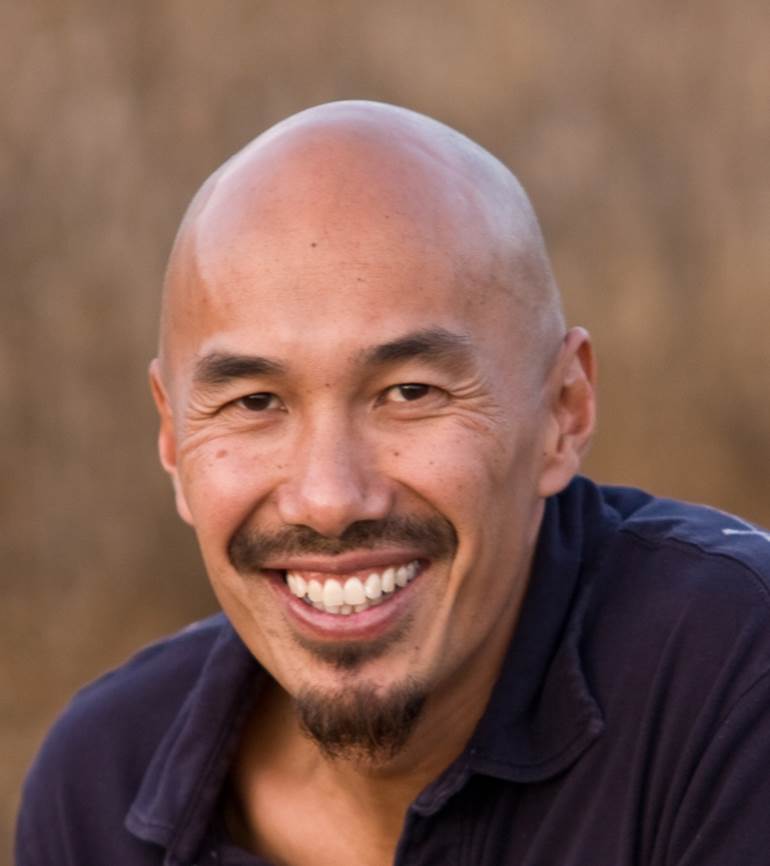
Francis Chan
Francis Chan (born 1967) is an American pastor, author, and church planter known for his passionate preaching and radical commitment to following Jesus. He founded Cornerstone Community Church in Simi Valley, California.

George Whitefield
English Anglican preacher and evangelist who was a key figure in the Great Awakening, known for his powerful open-air preaching and cross-denominational ministry.
John Nevins Andrews
John Nevins Andrews was a prominent Seventh-day Adventist theologian, minister, missionary, and scholar, known for his extensive biblical research and his pioneering missionary work in Europe. He was the first official Seventh-day Adventist missionary sent overseas and served as the third president of the General Conference of Seventh-day Adventists.
John Nevins Loughborough
John Nevins Loughborough was a prominent pioneer and evangelist in the early Seventh-day Adventist Church, known for his extensive missionary work and historical writings. He was one of the first Adventist ministers and played a key role in establishing the church's presence in California and Europe.
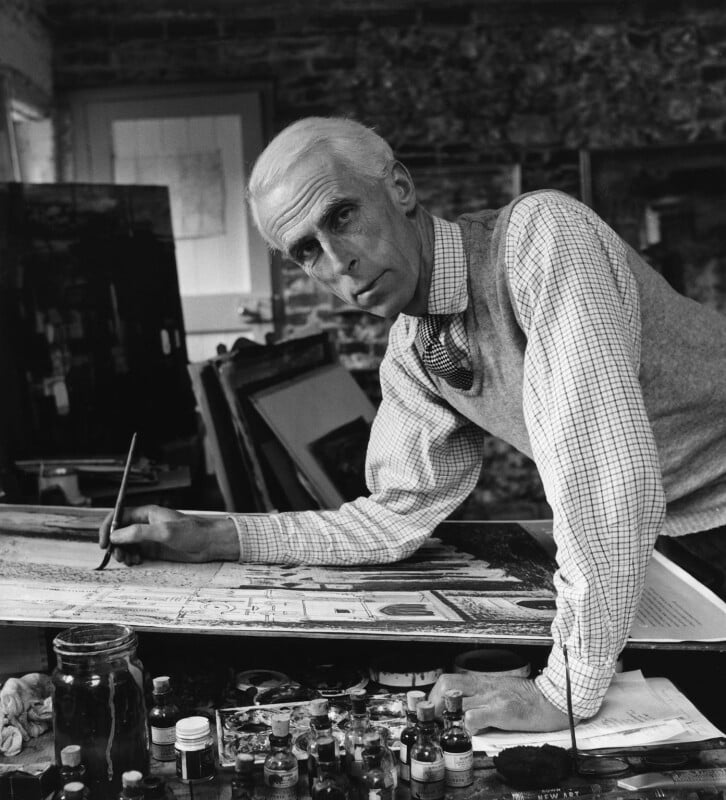
John Piper
John Stephen Piper (born 1946) is an American Reformed Baptist theologian, pastor, and author who served as pastor for preaching at Bethlehem Baptist Church in Minneapolis for 33 years. Known for his "Christian Hedonism" philosophy.

John Wesley
English cleric and theologian who founded the Methodist movement, emphasizing personal holiness, social justice, and the doctrine of Christian perfection.

Jonathan Edwards
American Congregationalist preacher, theologian, and philosopher who was a key figure in the Great Awakening, known for his sermon "Sinners in the Hands of an Angry God."
Joseph Bates
Joseph Bates was a prominent American sea captain and one of the principal founders of the Seventh-day Adventist Church. He played a crucial role in shaping the theological doctrines of Adventism, particularly regarding the Sabbath and the sanctuary message.
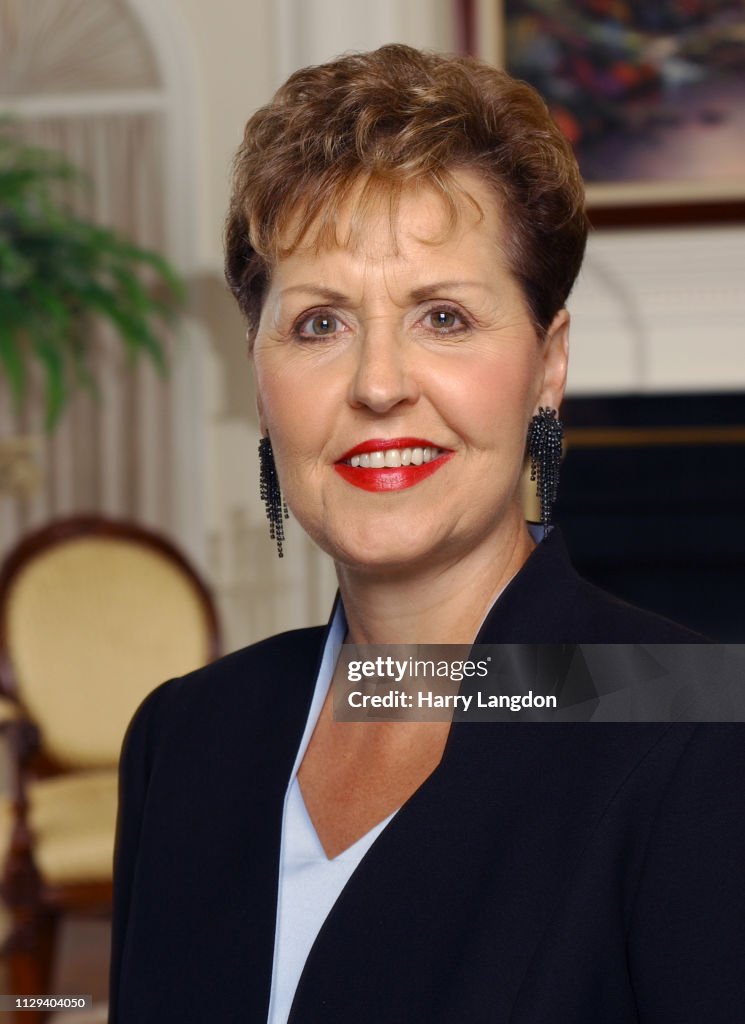
Joyce Meyer
Joyce Meyer (born 1943) is an American Charismatic Christian author, speaker, and president of Joyce Meyer Ministries. Overcoming a traumatic childhood of sexual abuse, Meyer has built one of the largest Christian media ministries in the world.
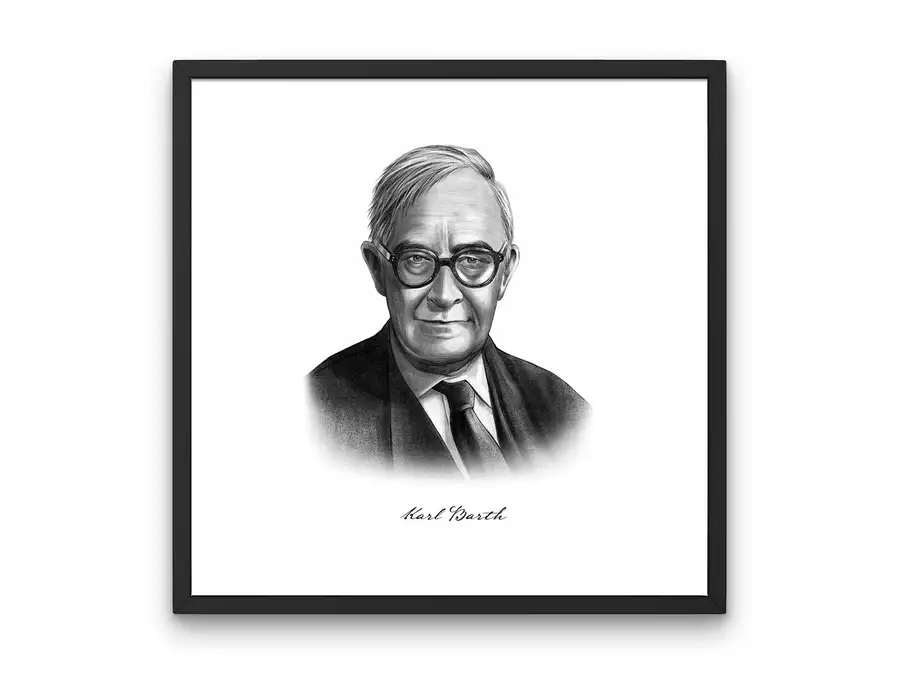
Karl Barth
Karl Barth (1886–1968) was a Swiss Reformed theologian widely regarded as one of the most influential Christian thinkers of the 20th century. His groundbreaking work "The Epistle to the Romans" challenged liberal theology and sparked the neo-orthodox movement.
Maria Goretti
Maria Goretti was a young Italian peasant girl who was martyred in 1902 at the age of eleven while resisting a sexual assault. She is venerated as a saint in the Catholic Church, known for her purity, forgiveness, and courage in defending her faith and virtue.
Mark Ji Tianxiang
Saint Mark Ji Tianxiang was a Chinese Catholic physician who suffered from an opium addiction for 30 years. Despite his addiction, he was deeply devoted to his faith and ultimately died as a martyr during the Boxer Rebellion, refusing to renounce Christ.
Maximilian Kolbe
Saint Maximilian Kolbe was a Polish Conventual Franciscan friar who volunteered to die in place of a stranger in the German concentration camp of Auschwitz during World War II. He was a fervent evangelist, establishing monasteries, publishing houses, and missionary efforts across Europe and Asia. His ultimate act of self-sacrifice cemented his legacy as a martyr of charity.
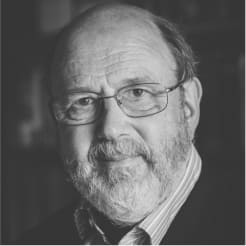
N.T. Wright
Nicholas Thomas Wright (born 1948), known as N.T. Wright, is a leading New Testament scholar, theologian, and former Bishop of Durham. His prolific scholarship has reshaped understanding of Jesus, Paul, and early Christianity.
Óscar Arnulfo Romero y Galdámez
Óscar Romero was the fourth Archbishop of San Salvador, known for his outspoken criticism of poverty, social injustice, assassinations, and torture during the Salvadoran Civil War. He became a voice for the voiceless and was assassinated while celebrating Mass, becoming a martyr for his faith and advocacy.
Padre Pio of Pietrelcina (Francesco Forgione)
Padre Pio, born Francesco Forgione, was an Italian Capuchin friar, priest, mystic, and stigmatist who became famous for his piety and charity, as well as for the stigmata he bore for fifty years. He was revered by millions for his spiritual guidance, miraculous healings, and ability to read souls. Canonized by Pope John Paul II in 2002, he remains one of the most popular saints of the 20th century.
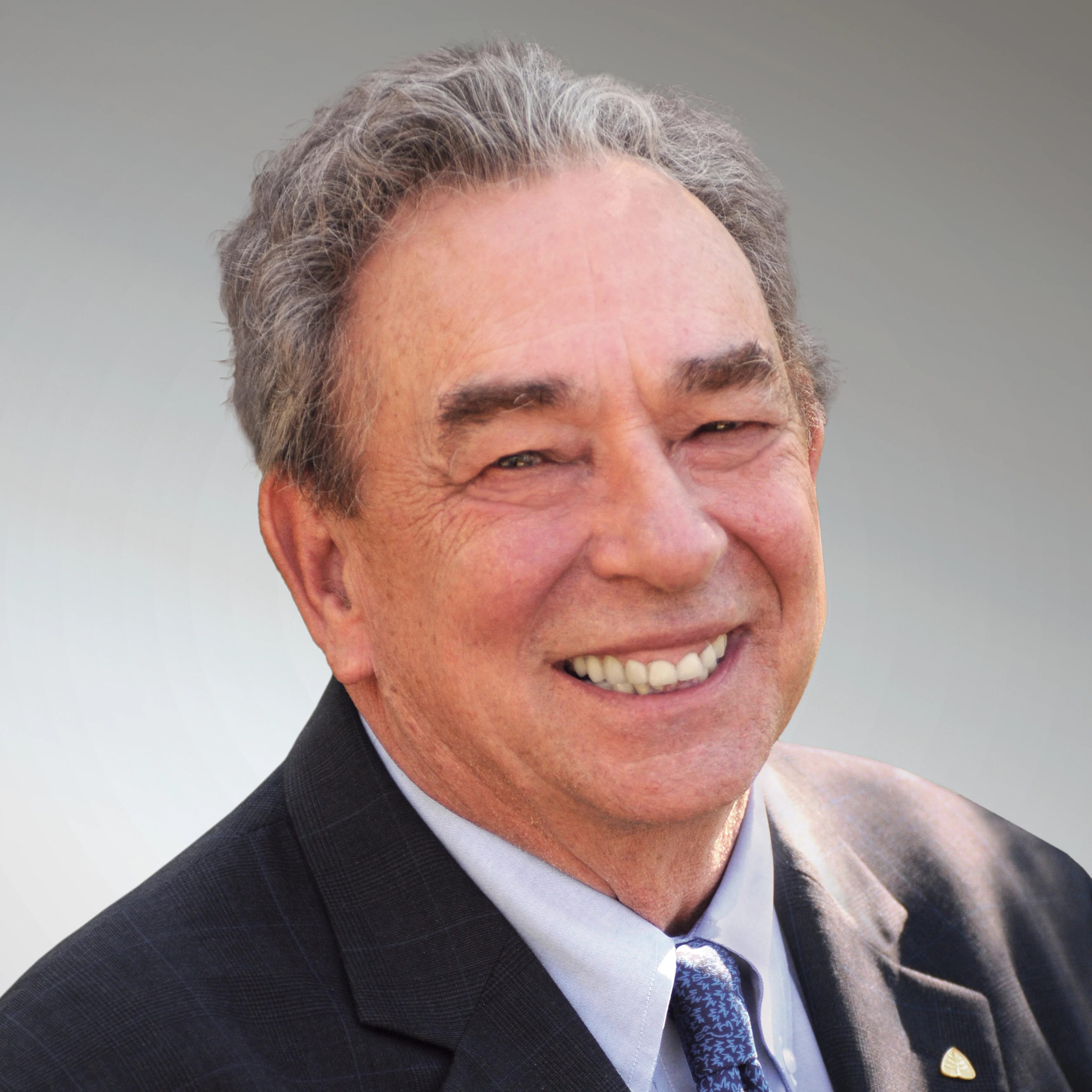
R.C. Sproul
Robert Charles Sproul (1939–2017) was an American Reformed theologian and pastor who founded Ligonier Ministries in 1971. Known for making complex theology accessible through his teaching series "Renewing Your Mind."
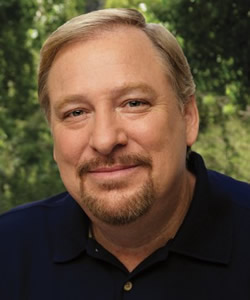
Rick Warren
Rick Warren (born 1954) is an American pastor and author who founded Saddleback Church in Lake Forest, California, in 1980. His book "The Purpose Driven Life" has sold over 50 million copies.
Stephen Nelson Haskell
Stephen Nelson Haskell was a prominent Seventh-day Adventist minister, evangelist, and author, known for his foundational contributions to the denomination's early development and global missions. He played a crucial role in establishing Adventist work in Australia, New Zealand, and other regions, and was a close associate of Ellen G. White.
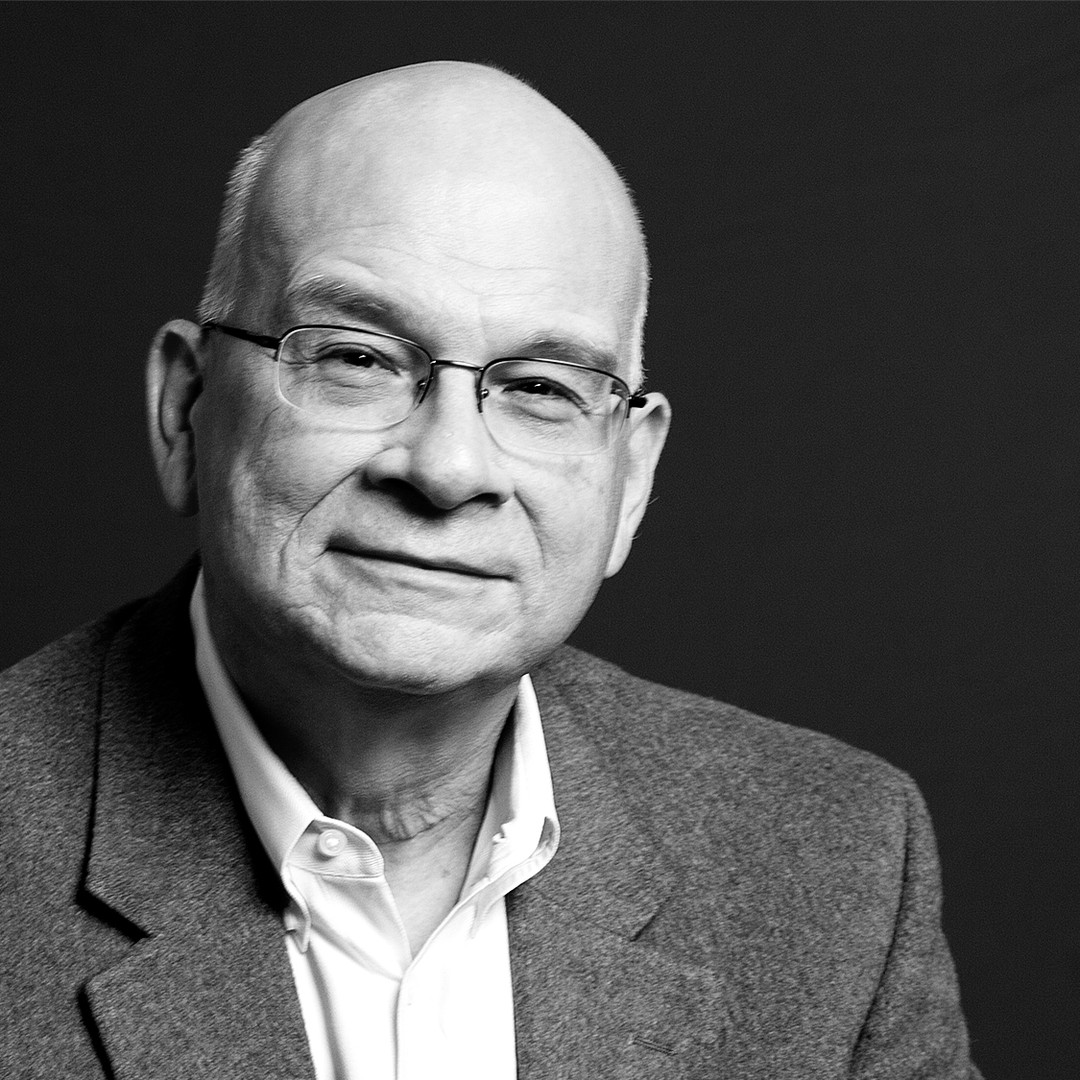
Tim Keller
Timothy Keller (1950–2023) was an American pastor, theologian, and Christian apologist who founded Redeemer Presbyterian Church in New York City. Known for his ability to communicate the gospel to skeptics and seekers in urban contexts.
Uriah Smith
Uriah Smith was a pivotal figure in the early Seventh-day Adventist Church, serving as a prolific editor, author, and theologian. He played a crucial role in shaping Adventist doctrine and communicating its message through his extensive writings and editorial work for the *Review and Herald*.

William Wilberforce
British politician and evangelical Christian who led the movement to abolish the slave trade in the British Empire.